Building a luxury home on Vancouver Island is a complex process. While the finished result may look effortless, every successful custom build depends on a long chain of decisions, technical coordination, site-specific planning, and clear communication.
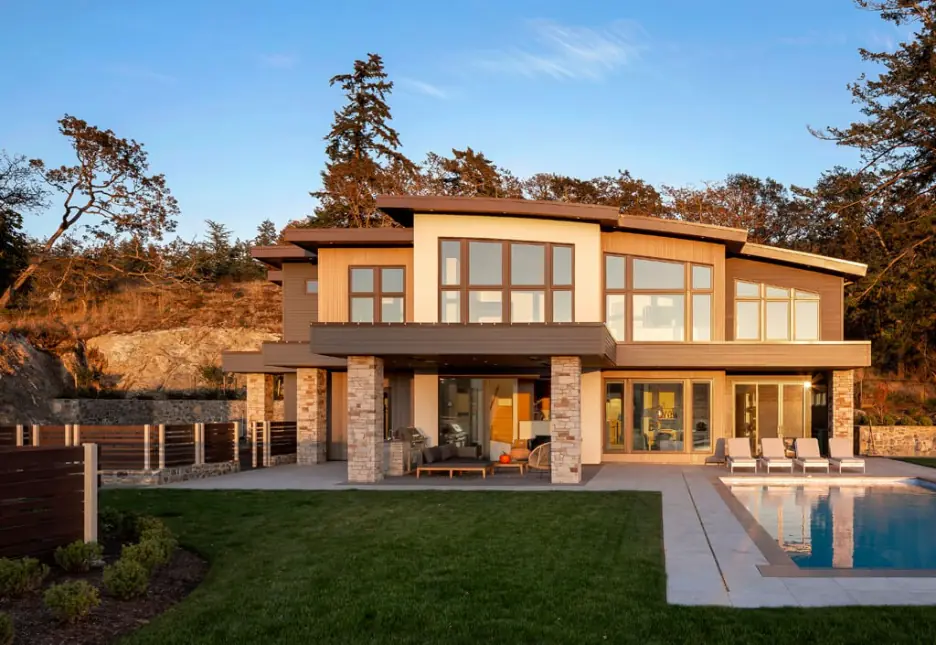
In this region, the site is often one of the most important parts of the project. A home built on a steep property, near the water in Oak Bay or Esquimalt, or in a remote or difficult-to-access location will come with unique technical, environmental, and logistical demands that need to be understood before construction begins.
Success is determined by preparation.
When homeowners begin planning a luxury custom home, they need a team that can understand the vision, anticipate the complexity, and guide the process with clarity from the beginning.
On Vancouver Island, the site is one of the most important design and construction variables in the entire project and isn’t merely a backdrop. It shapes what is possible, how the home is planned, and what needs to be understood before construction begins.
A custom home built on a steep or rocky property may require careful planning around excavation, drainage, retaining structures, access, and equipment movement. Near the water in neighbourhoods like Oak Bay, the team may also need to account for salt air, wind, moisture, storm exposure, corrosion-resistant materials, and environmental setbacks. On remote or difficult sites, even practical details such as deliveries, trade availability, and equipment access can affect how the work is scheduled and sequenced.
Permitting can also vary significantly from one municipality to another. Saanich, Oak Bay, and Victoria each have their own approval processes, site considerations, and documentation requirements. A project that is relatively straightforward in one area may require additional steps in another.
Depending on the property, a build will involve municipal requirements, environmental considerations, shoreline protections, tree retention, geotechnical review, or other site-specific constraints.
None of these factors prevent a successful build, but they do make early clarity essential. When the realities of the site and municipality are understood from the beginning, our team can make better decisions about budget, schedule, design, materials, and construction strategy. That is where planning replaces guesswork.
It’s natural to want momentum once you’ve committed to building a home. After months or even years of dreaming, designing, researching, and making decisions, many homeowners are eager to see visible progress on-site.
In a complex high-end build, rushing into construction creates the very delays everyone is trying to avoid.
Strong pre-construction planning helps identify constraints before they become expensive surprises. The project team needs time to understand how the site, design, budget, permits, and construction details work together before construction begins.
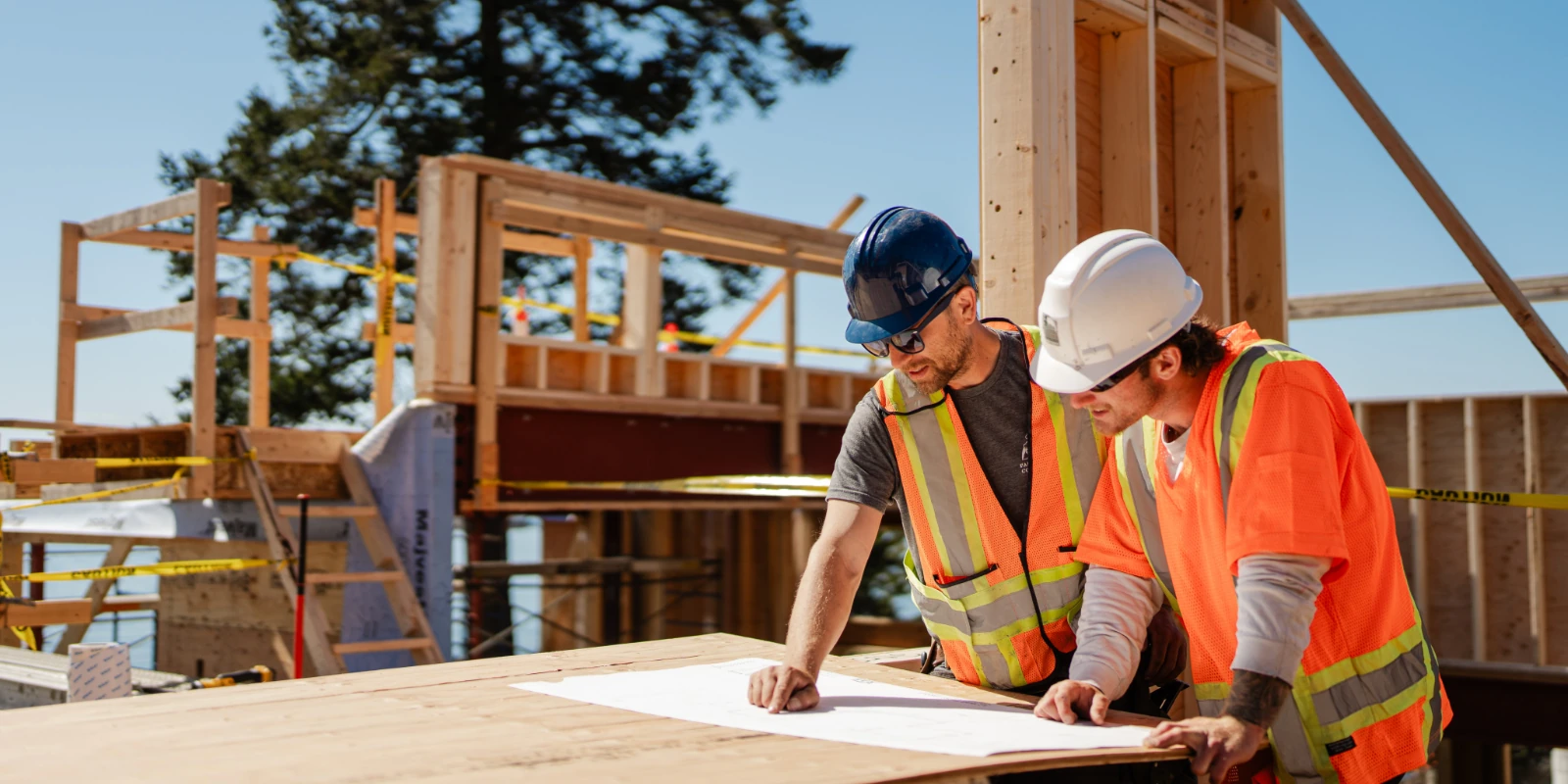
Planning includes reviewing drawings, coordinating with engineers and consultants, discussing material lead times, identifying specialized trades, assessing site access, and developing a realistic construction sequence. It’s also the point when expectations around communication, documentation, changes, and quality control should be made clear.
Good planning reduces the number of preventable problems that can slow down a project later.
High-end Vancouver Island home projects benefit from early clarity because unresolved questions mean the project becomes more expensive once construction is underway. The more ambitious the design and the more complex the site, the more important it becomes to resolve as many unknowns as possible before construction begins.
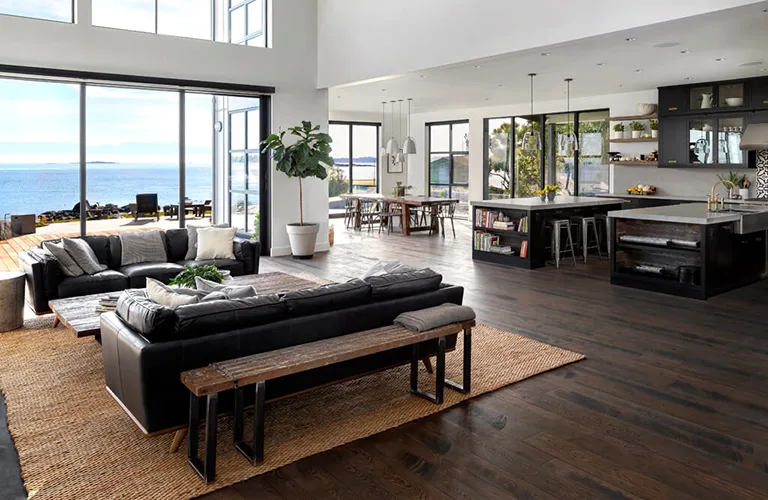
A luxury custom home begins with a strong architectural vision, shaped by how the home captures light and views, connects interior spaces to the landscape, and uses materials and details to create a specific feeling.
Design ambition only works when it’s supported by disciplined execution.
Protecting design intent means making sure the finished home reflects the vision on paper and requires technical coordination, practical problem-solving, careful sequencing, and a clear understanding of how each decision affects the next.
Structural requirements must align with the design. Mechanical and electrical systems need to be integrated without disrupting important architectural details. Building envelope requirements must be handled properly, especially in coastal and exposed environments. Materials need to be ordered, stored, protected, and installed with care.
Without that discipline, even beautiful plans lose their clarity along the way. Details get adjusted casually. Finish transitions become awkward. Systems compete for space. Site conditions force rushed decisions. What looked refined in the drawings ends up becoming diluted during construction.
Our role as the builder is to safeguard the design through every decision made on-site.
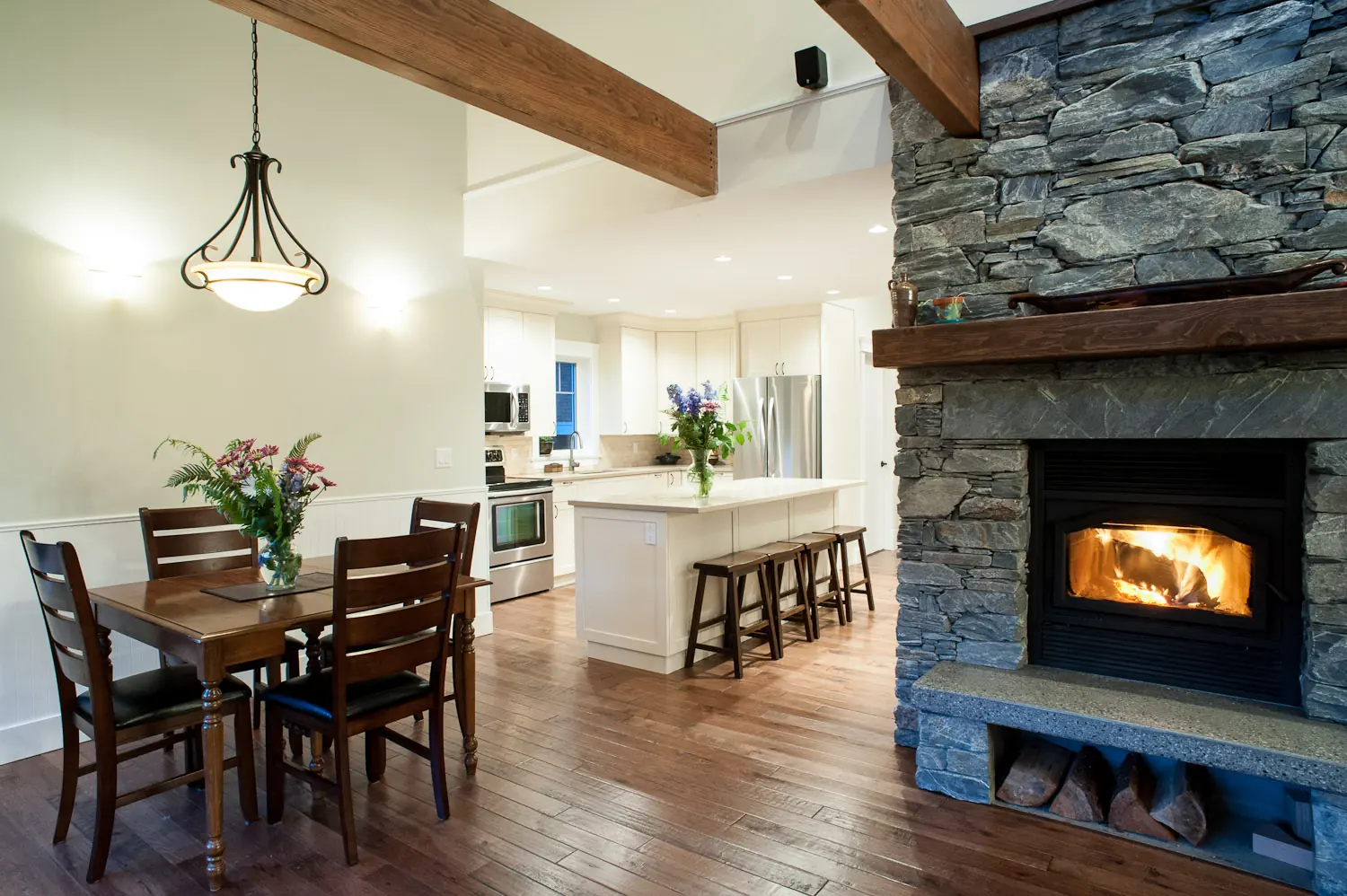
Craftsmanship is often described as though it’s a single quality. However, care, skill, pride, and attention to detail are all crucial. In a high-end custom home, craftsmanship is the visible result of many invisible systems working properly.
A well-executed home depends on:
The details homeowners notice at the end of a project are shaped by decisions made much earlier. In a home with custom or technically demanding design elements, the visible quality of the finished work depends on disciplined planning and consistent follow-through long before the final details are installed.
If one trade works without understanding how their work affects the next, quality suffers. If decisions are undocumented, confusion follows. If quality control only happens near the end, it will be too late to correct issues without added cost or delay.
True craftsmanship is built into the process.
A custom build is a major financial, emotional, and personal investment. Even when everything is going well, the number of decisions can feel overwhelming.
Homeowners want to understand where things stand. They want to know what decisions are coming, what has changed, what a change may cost, and how the schedule is being affected. They also want confidence that details are being tracked and that the team is communicating clearly behind the scenes.
Visibility doesn’t happen by accident. It lives in the Project Portal, where homeowners can find current drawings, documented decisions, open issues, and change orders with cost impacts clearly identified before work begins.
The Project Portal gives everyone a shared source of information, helping the builder, homeowner, designer, and consultants stay aligned as the project moves forward. Questions can be addressed sooner; changes can be evaluated more clearly, and homeowners are less likely to feel left in the dark.
Transparent collaboration can’t remove every challenge from a custom build, but it can create more confidence in the process and greater peace of mind along the way.
A high-trust building experience is created through process, communication, experience, and accountability. It begins with honest early conversations about the property, the budget, the design, and the level of planning required. The conversations include outlining realistic timelines, clear roles, documented decisions, and a shared understanding of how changes will be handled. It requires a builder who can coordinate the technical details while keeping the homeowner informed and supported.
Since 2009, we’ve built our reputation around high-end residential construction on Vancouver Island. Led by Dave MacKenzie, who brings 34 years of residential construction experience, our company has been recognized with more than 30 local and national industry awards.
Experience matters because complex homes require a process that keeps decisions, details, and people aligned from the start.
In a complex custom build, trust is earned through visibility. Homeowners should have confidence that the team understands the vision, respects the investment, manages the details, and communicates clearly when decisions need to be made.
The real measure of a successful build is whether the homeowner felt informed, supported, and confident throughout the process required to get there. If you’re early in planning a custom build on Vancouver Island, we’re happy to have an honest conversation about your site and your vision before construction is on the horizon.