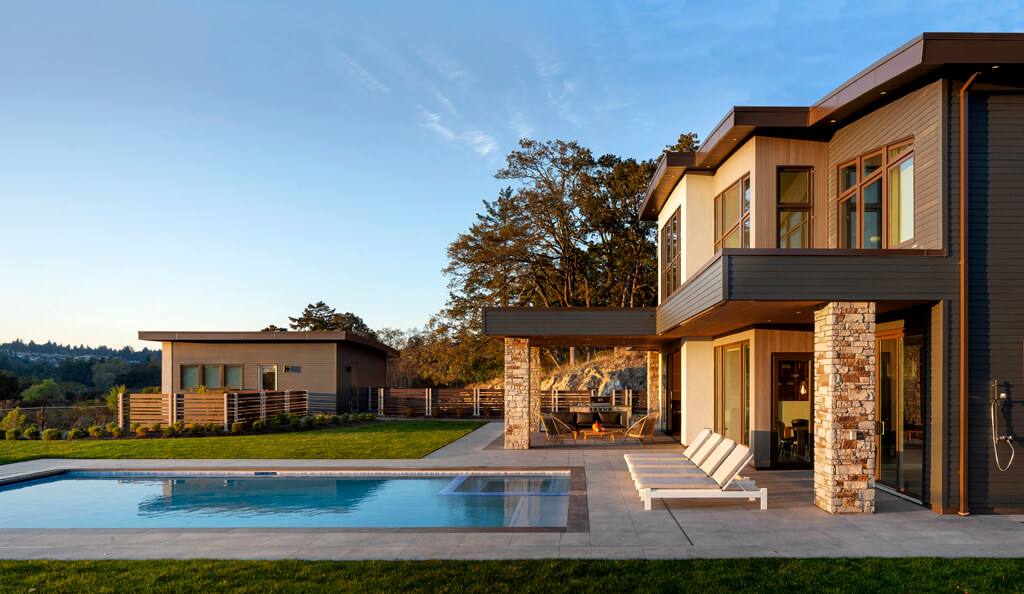
Architecture, views, finishes, and craftsmanship define how a home is experienced, but its longevity depends on details most people never see. Throughout the construction process, small decisions determine how well a home performs for decades.
Homes that endure are created through disciplined construction practices, technical precision, material quality, and the coordination required to protect both the design and the homeowner’s investment.
Longevity Starts Before Construction
Building for longevity starts with understanding the site, structure, exposure, and technical requirements before construction gets underway.
Planning decisions shape the long-term performance of the home as much as the work that happens on-site. Site assessment, drainage, geotechnical considerations, municipal requirements, and buildability influence long-term performance, as do budget alignment and early coordination with the design and engineering team.
On Vancouver Island properties, coastal exposure, slopes, rock, tree cover, or challenging access influence the design and construction strategy. When those realities are addressed early, our team can help identify the details that need additional planning before they become difficult or expensive to change.
Our experience has reinforced that homes built to last are rarely the result of guesswork. They are the result of careful planning, clear coordination, and disciplined follow-through.
The Building Envelope Protects the Home
The building envelope is one of the most important hidden systems in any long-lasting home. It includes the walls, roof, windows, doors, cladding, air and vapour control layers, insulation, flashing, and drainage details protecting the home from weather and moisture.
A beautiful exterior also has to work hard. Coastal rain, wind, humidity, salt air, and changing seasonal conditions test the way a home is detailed. If water isn’t properly managed, or if air leakage and moisture pathways are overlooked, even high-quality materials underperform.
For our team, envelope performance is reviewed before the details are covered up. Window and door transitions, roof assemblies, cladding preparation, flashing, drainage planes, ventilation, and drying potential need attention before exterior finishes are installed. When appropriate, mid-construction airtightness testing identifies areas that need adjustment while they’re still able to be addressed properly.
These aren’t always the details homeowners see once the home is complete, but they’re central to how the home feels, performs, and holds up.
Structure and Systems Need Early Coordination
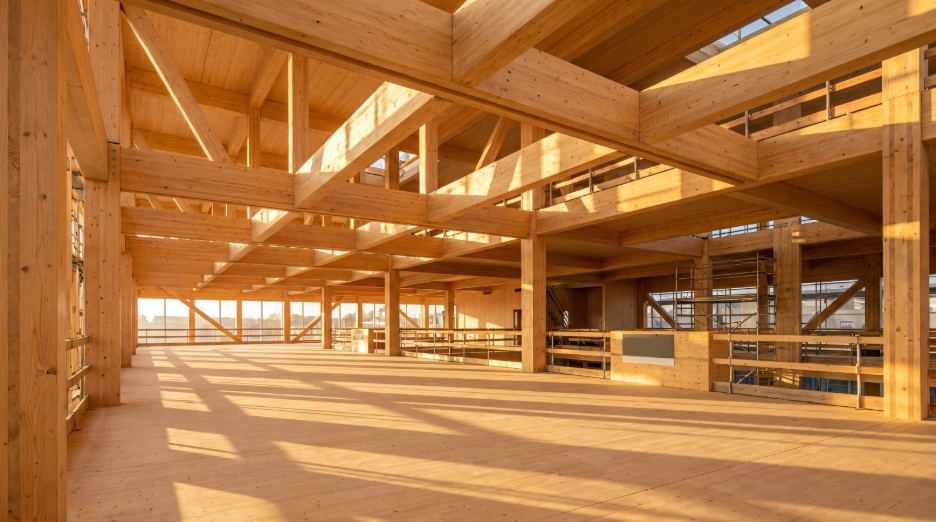
The structure and systems behind a finished home require careful coordination.
Design features such as large windows, open living spaces, complex rooflines, decks, terraces, and indoor-outdoor connections impact the finished look of the home. They need to be considered alongside structure, mechanical systems, electrical planning, plumbing, servicing, and the sequence of work on-site.
We work closely with designers, engineers, consultants, and trades, so those connections are understood early. When structure, systems, and design are organized before construction decisions are locked in, the home has a stronger foundation.
Technical precision prevents hidden conflicts from becoming visible problems later. Poorly coordinated systems lead to awkward bulkheads, access issues, inefficient mechanical performance, maintenance challenges, or unnecessary rework. Early coordination protects the design while making sure the home can function properly.
Materials Need to Match the Home, Site, and Climate
Material quality needs to suit the design, site, exposure, and homeowner’s expectations for maintenance.
Near the coast, exterior materials need to contend with salt air, wind-driven rain, moisture, and corrosion risk. On a heavily treed or shaded site, drying potential and maintenance needs are different from a more open property. A home built on a slope or exposed location places different demands on cladding, windows, doors, decks, railings, fasteners, and hardware.
We look at material decisions through the realities of the property. The right choices support the architecture, perform in the conditions where the home is built, and make sense for how the homeowner wants to live with the home.
Long-standing relationships with trusted trades and suppliers allow us to have a clear understanding of how materials perform in real conditions, how they should be installed, and where extra care may be needed. Good materials still require proper detailing and execution to deliver their full value.
Craftsmanship Depends on Sequencing and Quality Control
Craftsmanship is often associated with aligned finishes, clean transitions, refined millwork, carefully installed tile, or a well-crafted staircase. Visible craftsmanship depends on many invisible acts of coordination.
Before those details can come together, trades should be sequenced properly, materials should be protected on-site, and installation requirements should be understood by the people doing the work. Our team reviews details at key stages, especially before work is covered, enclosed, or handed off to the next trade.
We build quality-control review points into the construction process to ensure details associated with performance, durability, and finish quality aren’t left to the last minute. On a high-end build or whole-house renovation, consistency is essential. One poorly timed trade, unclear detail, or missed coordination point will impact the quality of everything that follows.
A home is built to last through a series of careful decisions, executed in the right order, by people who understand the standard of the work.
Good Records Support Long-Term Care
A home meant to last for generations shouldn’t depend on memory.
Good documentation gives homeowners a record of the decisions, materials, systems, and changes that shape how the home should be cared for. Current drawings, product selections, warranty details, maintenance information, approved changes, and system notes could become important years after construction is complete.
During closeout, we organize the information homeowners need to understand what was built, how key systems operate, and what should be kept on file. Those records can support future maintenance, repairs, service calls, upgrades, or additional work.
Caring for the home long-term is easier when the details behind it aren’t guesswork.
Legacy Homes Are Built for Real Life
A home built for generations should feel comfortable, durable, and livable.
Livability starts with understanding how people will use the home every day. Daily routines, family gatherings, pets, guests, storage, maintenance, and changing needs all shape how well the home supports real life. A legacy home is protected by making it resilient enough to live in rather than treated as something too precious to touch.
Value goes beyond the strength of the structure or the quality of the materials. It also shows up in how the home holds temperature, manages moisture, supports air quality, handles use, and adapts as life changes.
The best homes are built to serve the people who live in them for years to come.
Build for the Years Ahead
A lasting home supports daily life, seasonal changes, maintenance, comfort, and performance.
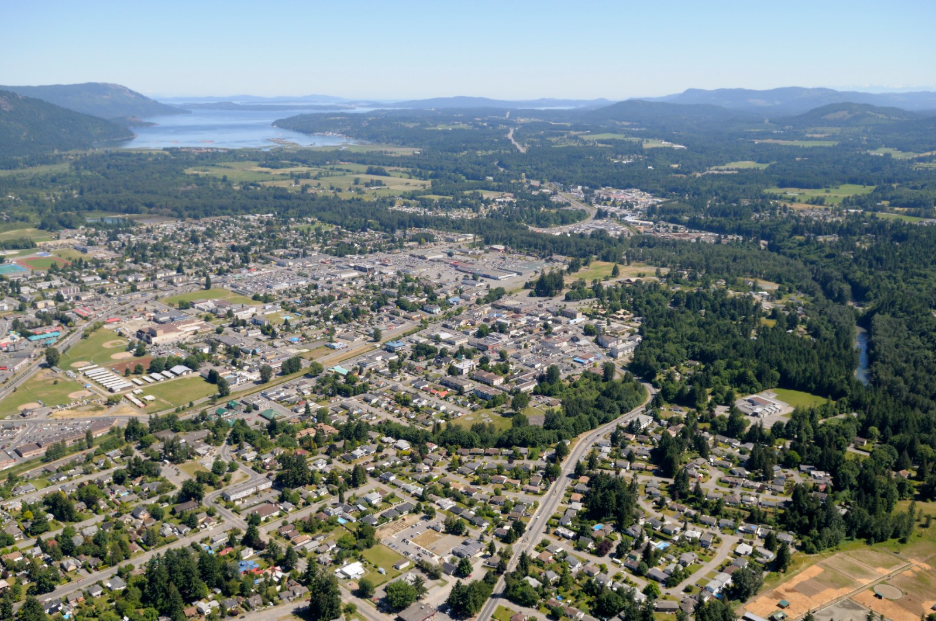
We have worked on complex custom homes and whole-house renovations across Victoria and Vancouver Island for over 17 years and recognize the importance of visible craftsmanship and the hidden details behind it.
If a custom home or large renovation is on your horizon, an early planning conversation can identify what your site, design, materials, systems, and construction approach will require. Our team can help you understand those details before the work begins, so the home is planned with long-term comfort, durability, and care in mind.
FAQs: Long-Lasting Custom Homes
What hidden details matter most in a long-lasting custom home?
The most important hidden details are often the ones that manage structure, moisture, airflow, drainage, insulation, mechanical performance, and long-term maintenance. Building envelope details, flashing, ventilation, structural coordination, service routing, and material installation all play a role in how well a home performs over time.
When should durability and performance be discussed?
Durability and performance should be discussed early, before major design, budget, material, and construction decisions are locked in. Early conversations give the homeowner, design team, consultants, and builder more room to coordinate the details that affect comfort, maintenance, energy performance, and long-term value.
How does documentation help after handover?
Documentation helps homeowners understand the home they are living in. Drawings, product information, warranty details, approved changes, maintenance notes, and system information can support future repairs, upgrades, service calls, and long-term care.
What should homeowners ask before selecting materials for a coastal site?
Homeowners should ask how each material will respond to moisture, salt air, wind-driven rain, shade, sun exposure, corrosion risk, and maintenance needs. The right material should support the design while performing well in the specific conditions of the property.